Network Strategy
Harvest is being designed as a phased ecosystem, and that includes its network strategy.
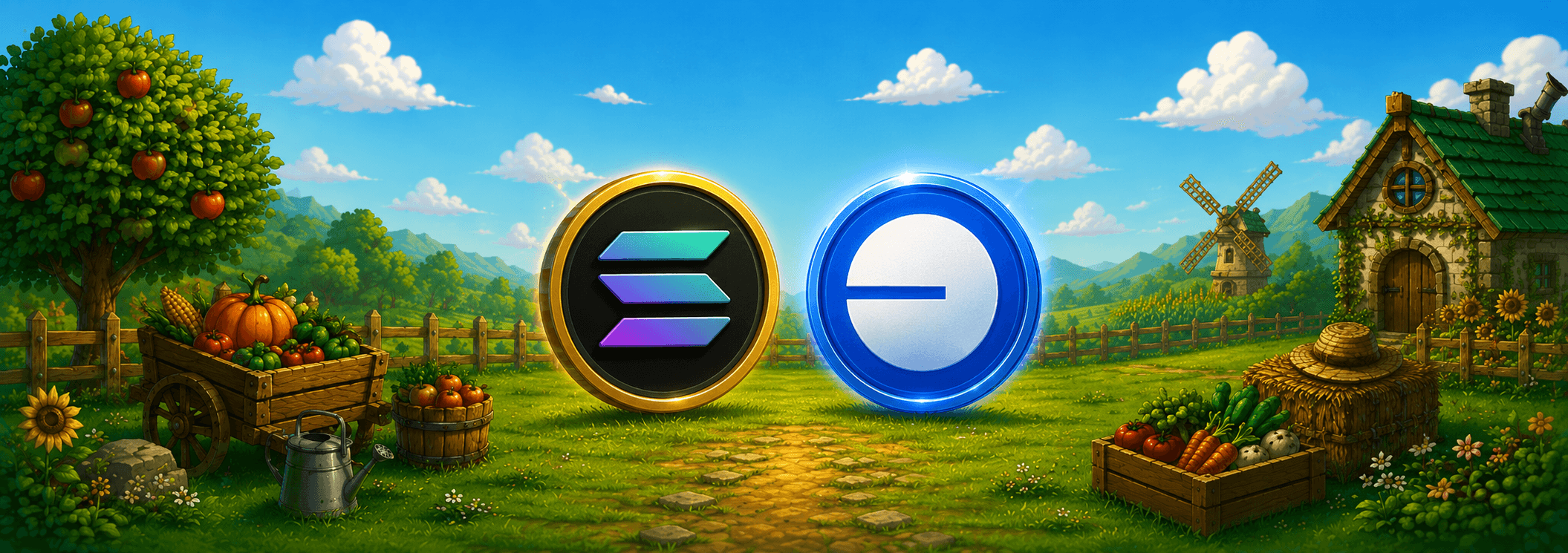
The project is expected to begin on Base as its first primary network. Over time, Solana may also become part of the broader Harvest ecosystem as the game expands.
This means Harvest should not be understood as locked into only one long-term chain vision. Instead, the rollout is expected to start with the network that provides the clearest first foundation, then grow more broadly later.
Why Harvest starts on Base first
Base is the clearest starting point for the first phase of Harvest.
For an early rollout, Base offers a practical environment for things like presale participation, ticket-based access, testnet onboarding, and progression systems that depend on structured wallet activity.
Starting on Base first makes sense because it gives Harvest:
- a low-cost network for early onchain actions
- Ethereum-aligned infrastructure and wallet familiarity
- a builder-friendly environment for phased rollout systems
- a simpler foundation for early contract, access, and progression logic
This makes Base a strong fit for the first chapter of the Harvest journey.
Why Base fits the early phases
Harvest is not launching everything at once.
Its earliest phases are built around:
- presale ticket access
- staged rollout over time
- testnet participation
- progression and point-building
- later transition toward mainnet
Because of that, the first network should support a rollout that feels clear, manageable, and practical from the beginning.
Base fits that need well. It gives the project a simpler first environment for access systems and staged ecosystem logic before the broader long-term expansion story develops.
Why Solana may still matter later
Solana may become part of the Harvest ecosystem later as the project grows.
This is not because Base is temporary or weak as a first network. It is because Harvest may eventually benefit from a broader multi-chain presence once the core rollout is established.
Solana can make sense later because it is strongly associated with:
- fast user interactions
- low transaction costs
- high-throughput consumer-facing experiences
- a wider expansion path for larger-scale game participation
In other words, Base works well as the first structured rollout network, while Solana can be positioned as a later ecosystem growth opportunity.
Base first, Solana later
The easiest way to understand the current direction is this:
Base first
Base is expected to support the earliest project phases, including:
- presale ticket mechanics
- early access structure
- initial testnet-related participation
- first progression systems tied to onchain identity
Solana later
Solana may be introduced later as part of the wider Harvest vision, especially if the ecosystem grows into a larger game economy with broader user participation.
This gives Harvest a clearer rollout story:
- start with a practical first network
- establish the early journey
- expand the ecosystem more broadly over time
What users should understand
Users should not think of the network strategy as random or undecided.
The idea is not “Base or Solana for no reason.” The idea is:
- start where the early rollout is easiest to structure
- build the first phases clearly
- expand later if the ecosystem grows in that direction
That makes the network strategy part of the same long-form rollout philosophy used across presale, testnet, and mainnet.
Summary
Harvest is expected to begin on Base first.
Base is the most practical starting point for the early rollout because it provides a low-cost, Ethereum-aligned, builder-friendly environment for presale access, staged onboarding, and early progression systems.
As the ecosystem grows, Solana may also become part of the broader Harvest strategy.
The clearest way to think about it is:
- Base for the first rollout
- Solana as a possible later expansion path